How Can Real Estate Agents Use Social Media Marketing to Attract Buyers and Sellers?

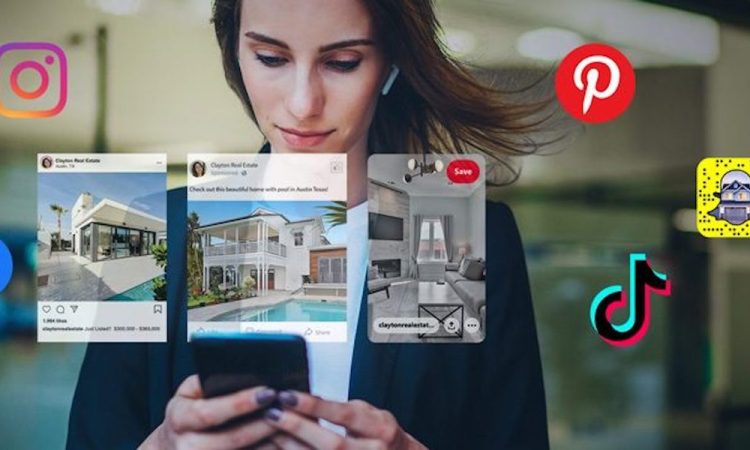
Property is a visual, emotional, and deeply local product. People imagine themselves living in a space before they ever schedule a tour. Social platforms are built for exactly that kind of browsing, which is why real estate social media marketing has become a core habit for agents who want steady lead flow. In a market like San Diego, where buyers compare coastal condos, suburban family homes, and inland new builds, that visual storytelling matters even more.
What Is Real Estate Social Media Marketing?
Real estate social media marketing is the use of social platforms to showcase listings, share local expertise, build a recognizable personal brand, and start conversations with future buyers and sellers. It combines storytelling, visual content, community engagement, and sometimes paid promotion.
The goal is not simply to collect followers. The goal is to become the first agent someone thinks of when they decide to buy, sell, or ask a question about the local market.
Why Do Buyers and Sellers Pay Attention to Agents on Social Media?
People want to hire someone they feel they know. A homeowner deciding who should sell their house is placing a major financial decision in another person’s hands. Seeing an agent regularly explain the market, tour homes, and help clients builds familiarity and confidence long before a formal meeting.
Social profiles also work as a living portfolio. A potential seller can scroll through past listings, read comments from happy clients, and judge the quality of photography and presentation without making a phone call.
Which Platforms Fit Different Real Estate Goals?
No agent needs to be everywhere. Choose platforms based on where the target audience spends time and which formats fit the agent’s strengths.
- Instagram suits visual storytelling, home tours, reels, and lifestyle content.
- Facebook supports local groups, event promotion, detailed listing posts, and targeted ads.
- YouTube rewards longer neighborhood guides, buyer education, and full property walkthroughs.
- LinkedIn helps agents who work with relocation clients, commercial property, or professional referral networks.
- TikTok can reach younger first-time buyers through short, informal videos.
Start with one or two platforms, build a consistent routine, and expand only when the schedule allows quality work.
What Kinds of Content Attract Home Buyers?
Buyers respond to content that helps them picture a life in a place, not just a floor plan. Strong options include:
- Short video tours that highlight the layout, light, and standout features.
- Neighborhood spotlights covering parks, cafes, schools, commute routes, and weekend activities, from a morning surf in Encinitas to a stroll through Balboa Park.
- Buyer education posts that explain steps like pre-approval, inspections, and closing.
- Market commentary written in plain language rather than industry jargon.
- Behind-the-scenes clips of open houses and staging.
Each post should have a clear purpose. Ask what question the viewer is likely to have and answer it directly.
What Content Convinces Home Sellers to Reach Out?
Sellers want proof that an agent can market a property well and guide them through a stressful process. Content aimed at them might include before-and-after staging examples, explanations of how pricing decisions are made, photography and video samples, and short stories about how a listing was prepared and presented.
Client testimonials work well when they describe a specific experience rather than offering generic praise. With permission, share a brief note about a challenge that arose during a sale and how it was handled. Honest stories about problem solving build more trust than polished slogans.
How Does Short-Form Video Help Realtors Stand Out?
Short vertical video is one of the most effective formats for property marketing because it feels immediate and personal. A thirty-second walk through the entry, kitchen, and backyard conveys atmosphere that still photos cannot.
Keep videos steady and well lit, begin with a strong visual in the first moments, and add captions so the message works without sound. Speak naturally. Viewers respond to authenticity more than to heavy production, though clean audio and decent lighting make a noticeable difference.
How Can Agents Use Hyperlocal Content to Build Authority?
Real estate decisions are tied to place, so local knowledge is a powerful differentiator. Agents can feature neighborhood businesses, community events, school openings, new developments, and seasonal tips for homeowners in the San Diego area.
Tagging local businesses and engaging with community posts also expands reach. When an agent becomes a recognizable source of useful local information, followers begin to treat them as the neighborhood expert, and referrals tend to follow.
What Role Does Personal Branding Play?
Agents are the product. A consistent look, voice, and message across profiles help people remember them. Use a clear profile photo, a bio that explains who the agent helps and where, and a link that directs visitors to a contact page or a listing search.
Share a bit of personality as well. Posts about community involvement, hobbies, or the reasons for entering the profession make an agent feel approachable. Balance is important: professional enough to inspire confidence, personal enough to feel human.
How Should Agents Turn Followers Into Leads?
Attention only matters if it leads to conversations. Make the next step easy and obvious:
- Add a call to action to posts, such as inviting viewers to message for a home valuation or download a buyer guide.
- Respond quickly to comments and direct messages.
- Use lead forms, link-in-bio pages, and landing pages that capture contact details.
- Offer something useful, such as a neighborhood report or a checklist, in exchange for an email address.
- Follow up personally rather than sending generic automated replies.
Speed matters. A person who messages about a listing is often looking at several properties at once, and the agent who responds first has an advantage.
Is Paid Social Advertising Worth It for Realtors?
Paid campaigns can extend the reach of strong organic content. Platforms allow targeting by location, interests, and behavior, which helps agents reach people likely to be in the market for a home. Common uses include promoting new listings, advertising open houses, and offering a free home valuation.
Test small budgets first, review which creative performs best, and refine before spending more. Compliance matters too. Fair housing rules restrict how ads can target audiences in housing-related categories, so agents should understand platform policies before launching campaigns.
How Can an Agent Stay Consistent With a Content Calendar?
Inconsistency is the most common reason agent accounts stall. A simple content calendar spreads effort across the week and prevents last-minute scrambling. Plan a mix of listing posts, educational posts, community posts, and personal posts, and batch the filming and editing into one or two sessions.
Track which posts earn saves, shares, replies, and inquiries, then do more of what works. Over time, patterns emerge that reveal what the audience values most.
What Mistakes Should Real Estate Agents Avoid on Social Media?
- Posting only listings, which makes the account feel like a classified ad.
- Using low-quality photos or dim, shaky video.
- Ignoring comments and messages.
- Copying generic captions that sound the same as every other agent.
- Sharing client information without clear permission.
Final Thoughts on Real Estate Social Media Marketing
Real estate marketing rewards agents who teach, show, and engage rather than simply advertise. By choosing the right platforms, creating helpful local content, and responding quickly to interest, agents can build trust that turns followers into clients.
Agents who want structured support can explore professional social media marketing services, or review real estate marketing approaches built for brokers and property professionals.