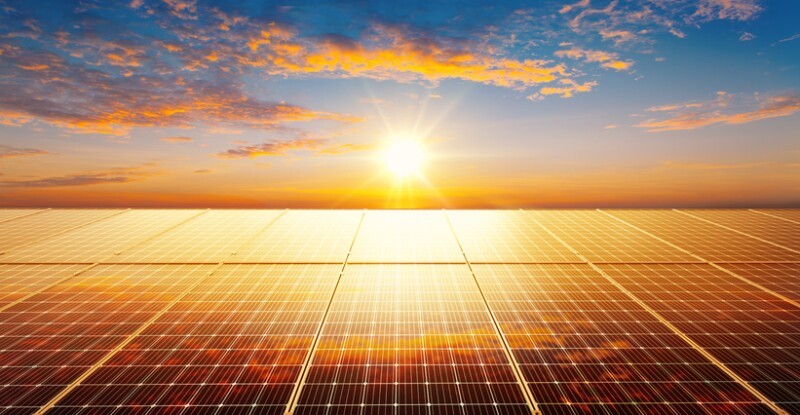
In today’s world, where renewable energy is no longer a choice but a necessity, solar cells have emerged as one of the most transformative technologies in clean energy production. These small yet powerful devices convert sunlight directly into electricity, offering a sustainable solution to the world’s growing energy demands. From residential rooftops to massive solar farms, solar cells are revolutionizing how we generate and consume power.
What Are Solar Cells?
A solceller, also known as a photovoltaic (PV) cell, is a semiconductor device that converts sunlight into electrical energy using the photovoltaic effect. When sunlight hits the surface of a solar cell, it excites electrons within the material, generating an electric current.
Multiple solar cells are connected together to form a solar panel, which can produce enough electricity to power homes, businesses, and even industrial facilities.
How Do Solar Cells Work?
The functioning of solar cells might seem complex, but it’s based on a simple scientific principle: converting light energy into electrical energy. Here’s a step-by-step breakdown of the process:
- Light Absorption:
The solar cell absorbs sunlight, mainly through its semiconductor layer (commonly made from silicon). - Electron Excitation:
The absorbed energy excites electrons, freeing them from their atomic bonds. - Electric Field Creation:
A built-in electric field within the solar cell directs these free electrons, creating a flow of electric current. - Energy Conversion:
The movement of electrons generates direct current (DC) electricity, which is then converted into alternating current (AC) using an inverter, making it usable for household appliances and grid systems.
Types of Solar Cells
Over the years, solar technology has evolved significantly, giving rise to various types of solar cells, each with unique characteristics and efficiency levels.
1. Monocrystalline Solar Cells
Made from a single, pure crystal structure, monocrystalline solar cells are known for their high efficiency (typically 18–22%) and sleek black appearance. They are slightly more expensive but perform exceptionally well, even in low-light conditions.
2. Polycrystalline Solar Cells
These cells are made from multiple silicon crystals melted together. They’re more affordable than monocrystalline cells but offer slightly lower efficiency (around 15–17%). Their bluish hue and speckled texture make them easy to identify.
3. Thin-Film Solar Cells
Thin-film solar cells are lightweight and flexible, made from materials like cadmium telluride (CdTe) or amorphous silicon (a-Si). While they have lower efficiency (10–12%), they are ideal for large-scale installations or unconventional surfaces.
4. Perovskite Solar Cells
A newer innovation in solar technology, perovskite solar cells promise high efficiency at a lower cost. They’re still under research but are expected to revolutionize the solar industry due to their potential scalability.
Advantages of Solar Cells
The popularity of solar cells is driven by their numerous benefits, both for individuals and the environment.
1. Renewable and Sustainable Energy
Solar cells use sunlight, an inexhaustible natural resource, to produce energy. Unlike fossil fuels, sunlight doesn’t emit greenhouse gases or cause pollution.
2. Cost Savings
Once installed, solar cells drastically reduce electricity bills. Over time, users can even sell excess power back to the grid through net metering.
3. Low Maintenance
Solar panels require minimal maintenance. A simple cleaning a few times a year is often enough to keep them operating efficiently.
4. Energy Independence
By using solar cells, homeowners and businesses can become less dependent on utility companies, ensuring energy security even during power outages.
5. Environmentally Friendly
Solar energy systems reduce carbon footprints, contributing to a cleaner, healthier planet.
Applications of Solar Cells
Solar cells are incredibly versatile and can be found in a wide range of applications:
- Residential: Rooftop solar panels for homes.
- Commercial: Powering office buildings, warehouses, and factories.
- Agricultural: Solar water pumps and greenhouse lighting.
- Transportation: Solar-powered vehicles and charging stations.
- Portable Devices: Solar chargers for phones and camping gear.
- Space Exploration: Powering satellites and spacecraft.
The adaptability of solar cells makes them one of the most promising technologies for global energy transformation.
Challenges and Limitations of Solar Cells
Despite their many advantages, solar cells do have some challenges:
- Intermittent Energy Source:
Solar energy depends on sunlight, which means it’s less effective during cloudy days or at night. - High Initial Cost:
While long-term savings are significant, the upfront installation cost can be a barrier for some. - Energy Storage:
To ensure a constant power supply, battery storage systems are often needed, which add to the total cost. - Space Requirements:
Large solar installations require significant space, which may not always be available in urban environments.
The Future of Solar Cells
The future of solar cell technology looks incredibly bright. Researchers are continuously improving efficiency, developing new materials, and reducing production costs. Innovations like bifacial solar panels, transparent solar cells, and solar windows are paving the way for widespread adoption.
Governments worldwide are also promoting solar energy through subsidies, tax incentives, and clean energy policies, accelerating the transition toward a renewable-powered world.
FAQs About Solar Cells
1. How long do solar cells last?
Most solar cells have a lifespan of 25–30 years, with minimal degradation in efficiency over time.
2. Are solar cells worth the investment?
Yes. Despite the initial cost, the savings on electricity bills and potential incentives make solar cells a smart long-term investment.
3. Can solar cells work on cloudy days?
Yes, though efficiency drops slightly. Solar cells can still generate electricity from indirect sunlight.
4. What are solar cells made of?
Most solar cells are made from silicon, though other materials like cadmium telluride and perovskite are also used in advanced models.
5. How efficient are solar cells?
Efficiency varies by type — typically between 15% and 22%, though newer technologies are pushing this even higher.
Final Words
Solar cells are not just a technological marvel—they’re a vital part of our journey toward a sustainable and eco-friendly future. As innovation continues, their efficiency, affordability, and versatility will only increase, making solar energy accessible to everyone.
By investing in solar cells today, we’re not just powering our homes—we’re powering the planet’s future.